What are the health effects of inhaling essential oils
Aromatherapy, or inhaling of essential oil therapy refers to a range of traditional, alternative, or complementary therapies that use essential oils and other aromatic plant compounds.
Essential oils are highly concentrated plant extracts distilled into oil. Famous for herbal and other remedies, these oils, which are found in flowers, leaves, roots, and other plant parts, have been used for medicinal purposes for centuries. Essential oils have been used for nearly 6,000 years, with the aim of improving a person’s health or mood.

Further scientific research has found that certain essential oils have health benefits; in fact, many modern medicines are derived from essential oils. However, while some oils are beneficial in small amounts, others can be harmful. Because essential oils are not regulated by the U.S. Food and Drug Administration (FDA), most should be used with caution and under the guidance of a certified physician.
What is inhalation:
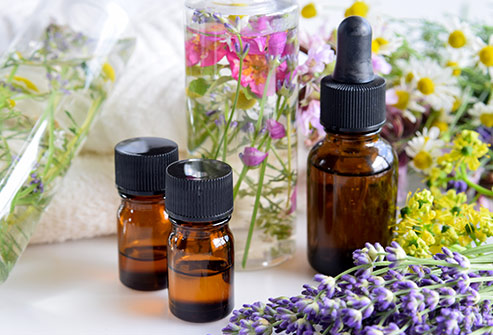
Essential oils are usually extracted using steam distillation, a process that involves applying steam to a plant until only oil remains. Essential oils contain a variety of substances, which create a strong plant aroma and provide therapeutic effects. The oil evaporates into the air using a diffuser container, spray, or oil droplets or is blown, for example, into a steam bath.
In aromatherapy, these flexible compounds are inhaled using a drop of oil on a piece of cloth, cotton, or other material, or dispersed in the air with an aromatherapy diffuser. Sniffing is the safest way to use essential oils.
In addition to giving off a pleasant aroma, aromatherapy oil can provide respiratory, decongestant, and psychological benefits.
Inhaling essential oil stimulates the olfactory system, the part of the brain connected to the scent, including the nose and brain. Molecules that enter the nose or mouth pass through the lungs, and from there, they travel to other parts of the body. As the molecules reach the brain, they affect the limbic system, which is linked to emotions, heart rate, blood pressure, respiration, memory, stress, and hormonal balance. In this way, essential oils can be subtle, yet the perfect effect on the body.

Topical Application: Another form of Aromatherapy includes a topical application. Essential oils can also be used in massage oil, bath, and skincare products to penetrate the skin. Massaging the oil can increase blood circulation and increase absorption. Some say that areas rich in sweat glands and hair follicles, such as the head or palms, can absorb the oils more effectively.
Essential oils should never be applied directly to the skin. They should always be mix with a carrier oil. Usually, a 3% concentration in carrier oil is considered safe while using Essential oils. The most common carrier oils are sweet almond oil or olive oil.
Ingesting, or swallowing, essential oils are not recommended. Taken by mouth, the oils can damage the liver or kidneys.
Benefits of inhalation
Aromatherapy is a complementary therapy. It does not provide a cure for any illness, rash, or disease, but it can support the general treatment of various ailments.
It has been shown to reduce:
- Nausea
- Pain and body aches
- Anxiety, agitation, stress, and depression
- Fatigue and insomnia
- Muscular aches
- Headaches
- Circulatory problems
- Menstrual problems
- Menopausal problems
- Alopecia, or hair loss

Risks
Each essential oil has its own chemical composition and reason for using it, so it is important to talk to a qualified aromatherapist, nurse, physician, physiotherapist, massage therapist or pharmacist before applying or using the oil for therapeutic purposes.
A qualified professional can recommend and teach how to use each product, giving appropriate instructions on its use or purification.
Consumers should also be aware that the U.S. The Food and Drug Administration does not look at aromatherapy products, so it can be difficult to know whether a product is clean or not or whether it is contaminated or processed.
Some beauty products and home products, such as lotions, make-up, and candles contain products that may appear to be essential oils but are actually aromatic.
Like medicine, essential oils must be treated with respect. It is important to seek professional advice and follow the instructions carefully.

Comments
Post a Comment