Is it safe to ingest essential oils?

It is a topic of hot discussion whether Essential oils can be ingested or not? Everyone has an opinion on whether it is safe or not. But is it really the case? Here's what the study says about ingesting essential oils.
What research says about ingesting oils?
Since most of the research has been done on animals rather than humans, science has not confirmed the inclusion of essential oils for ingestion. What we do know is that essential oils can be made in a vegetable capsule or gelatin capsule to prevent irritation of the digestive tract. Many people argue that irritation of the mucosa, or the covering that protects our internal digestive tract, will be damaged when essential oils are added, but we are not entirely sure. Because nerve endings are closer to the face in the mucosa than to the skin, the reaction can be stronger and faster, which can be beneficial if you want immediate results or a curse if you use the wrong oil. The good news is that the mucosa is naturally protected, continuously secreting more mucus to cover these sensitive areas and quickly diluting essential oils. While the initial sensation may be stronger than the application of oil on the skin, the dilution occurs faster due to the constant production of mucus, which leads to long-term effects.

Essential oils are incredibly potent when ingested and can therefore be dangerous
If essential oils are made for their aroma, why would anyone want to ingest them? Galper says people do it to "bring more focus" through digestion.
This is precisely why Yufang Lin, MD, a combination therapist at Cleveland Clinic, warns against swallowing essential oils. “I love aromatherapy,” says Dr. Lin. However, "I often warn people not to take it because it is a very strong drug… You can drink too much, too quickly without paying attention. And that can be dangerous."
Essential oils are natural, but that does not mean they are naturally safe. "The molecules and chemical components that make up essential oils irritate the spinal cord," Galper said. Swallowing essential oil can burn the mucosa in your mouth, esophagus, gastric mucosa, and even more than your digestive tract. Dr. Lin says that nausea, abdominal pain, and neurological disorders such as nervousness and numbness may also be present, especially if you take too much. Like any type of medicine, it can affect different people in different ways, too.

The dos and don'ts of ingesting essential oils:
- Do: Pay attention to potency.
- Do: Lookout for markers of quality.
- Don't: Ingest too much at once.
- Do talk with a professional before ingesting
Can ingesting essential oils can be helpful:
Essential oils should never be ingested without the supervision of a medical practitioner as it can be very harmful. There is some research that has shown ingestion to be useful in situations where digestive distress exists, like:
- Peppermint essential oil to reduce the symptoms of irritable bowel syndrome(IBS).
- Bitter orange oil with its high limonene content is used for healing gastric damage.
- Incorporates nanoemulsions, where the essential oil is mixed with water to create a more efficient delivery system for internal use.
The essential oils you should NEVER ingest:
There are some essential oils that you absolutely should NEVER ingest. Some of these include:
- Arborvitae
- Birch
- Cedarwood
- Cypress
- Eucalyptus
- White Fir
- Wintergreen

Application of the essential oil that works for you:
Ingesting oils is a personal decision to be made by a trusted health care professional, but you should not consume essential oils. As an essential oil expert, if I know one thing for sure, that there has never been a single way to use essential oils. Perfumed oil and topical application are still considered to be the most well-researched and effective methods of using high-quality essential oils.
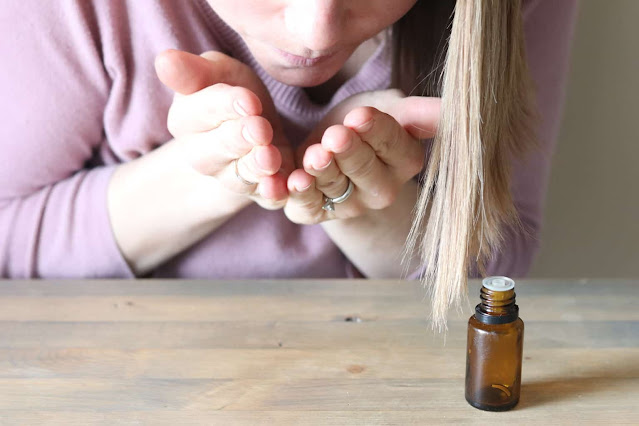
Just inhaling the scent of essential oils put them at work in our body, extends to the olfactory, and stimulates the limbic system. Topical application takes a little bit longer to get to work, with factors such as temperature, dilution, and area of application all playing a role. But within 15 minutes, the essential oils are in your bloodstream and work their magic.
So while you can ingest essential oil under medical guidance when absolutely necessary, it is advisable not to consume as there are other effective alternatives available.

Comments
Post a Comment